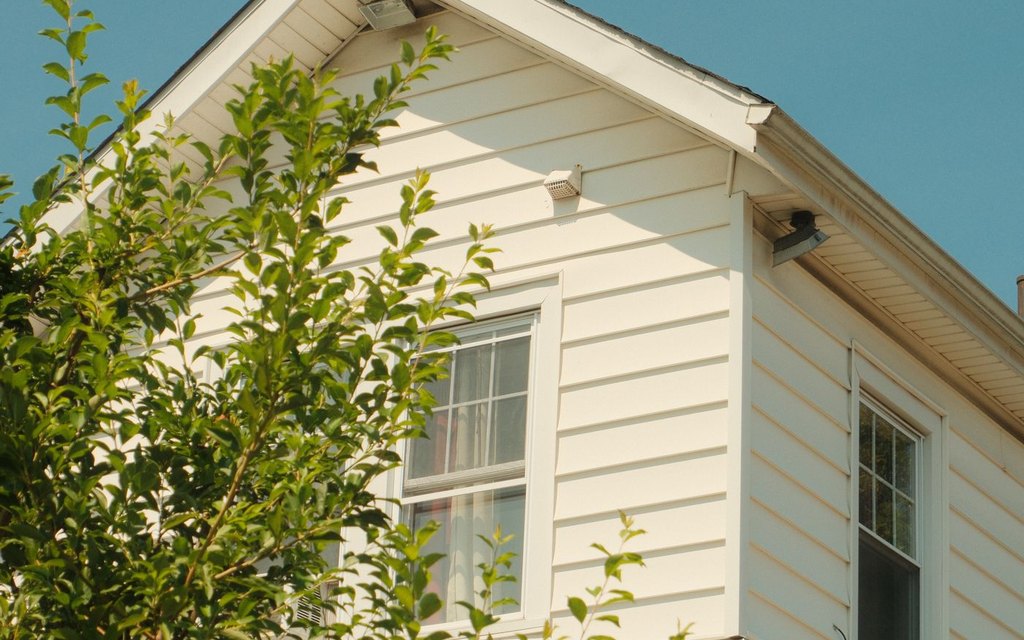
On most homes, the soffit is where the attic breathes in. In Florida's heat, that quiet airflow does a lot to protect your roof, your comfort and your energy bill.
Your attic breathes in through the soffit
Attic ventilation works a bit like a chimney. Cooler air is pulled in low, through the vented soffit under your eaves, and hot air escapes high, through ridge or roof vents near the peak. The soffit is the intake side of that system. Block it or leave it out, and the whole thing stalls.
Intake and exhaust have to balance
Vents at the top can only move as much air as the intake at the bottom lets in. That's why adding roof vents without enough soffit intake often doesn't help — the airflow has nowhere to start. A working roofline keeps intake and exhaust roughly in balance so air actually moves through the attic.
What happens when the soffit isn't venting
- Heat builds up. A stalled attic runs brutally hot in a Florida summer, pushing that heat down into your living space and onto your AC bill.
- Moisture gets trapped. Humid air and daily storms leave damp attic air with nowhere to go, which feeds mildew and can rot the wood from the inside.
- Shingles age faster. Trapped heat cooks the underside of the roof deck and shortens the life of the shingles above it.
Vented vs. solid soffit
Vented soffit has perforations or slots that let air through; solid soffit is closed. Most homes use vented panels along the runs and solid pieces only where there's no attic space behind them, like a porch overhang. If your soffit was replaced with solid panels everywhere, or the old vents got painted over, your intake may be choked without anyone noticing.
A hot second floor, a musty attic smell, or condensation on attic surfaces are all worth a look — they often trace back to blocked or missing soffit intake.
Signs your ventilation isn't working
From the ground, look for painted-over vents, blocked perforations, or long runs of solid soffit. From inside, watch for an unusually hot attic, damp insulation, a mildew smell, or dark staining on the underside of the roof deck. Any of these are worth checking before they turn into wood rot.
How we fix it
We check that the vented area actually matches the attic, clear or replace choked panels, and make sure new soffit and fascia keep the intake open — not just looking good, but doing the job. If you've seen any of the signs above, request a free estimate and we'll take a look.